
Keeping reptiles cool in hot weather
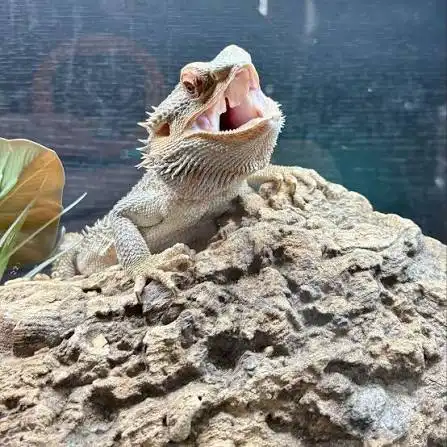
Even though most reptiles like to be kept warm and require external heat in order to regulate their own body temperature, it's still important to ensure they do not overheat, as in extreme temperatures this can make it difficult for them to do this and there is a risk that they can overheat and die.
Obviously, having and using a thermostat in the enclosure is a great first step to ensure that the temperatures stay within the correct range for that reptile. It is very important that the probe is positioned AT THE COOLEST END for it to work correctly. Some people mistakenly position the probe under the heat source, but this is not correct. Think of it like putting a thermometer on a radiator - the radiator may be hot, but the far end of the room would still be cold.
With reptiles it's essential to control the temperature at the coldest spot to ensure there isn't an area where the reptile would get too cold and then lack the energy to find somewhere warmer. For example, sometimes with tortoises - particularly juveniles, it's important to ensure that the area/s that are furthest away from the heat source is still warm enough for the tortoise to be active. This includes inside sleeping compartments. If your tortoise isn't at the food bowl waiting for its food and is still asleep, that can be a sign that the area is too cold and needs the temperature adjusting.
However, on occasion, mainly in summertime, the temperatures can exceed the correct limit and so extra measures are needed to ensure reptiles do not overheat. Here are some suggestions.
Firstly, in consistently very hot weather, you can turn off the heat source altogether. Keep the UVB bulbs on, but if the temperature is as hot as the UK is experiencing currently (June 2026) as long as you are at home, it will be safe to unscrew or switch off the heat. Snakes, especially temperate species such as corn snakes, will be totally fine with no heat at all and even just normal day light. Make sure to refresh the water bowl and any moss hide daily so that it doesn't get too hot and still provides a cooler area and water source.
Secondly, for bearded dragons and other desert dwelling lizards, you'll be able to tell if they're feeling too hot as they will most likely be in the coldest end of their vivarium, with their mouth open. You can give them a tepid (not cold) bath in a sink or bowl of water out of the cage and this will help them cool down. Don't be tempted to put a water bowl IN their vivarium - with the hot temperature, the water will evaporate and raise the humidity in the enclosure, this is not the correct environment - bearded dragons should have low humidity - high humidity may lead to a respiratory infection, which can be serious.
For chameleons and arboreal, jungle species that do enjoy humidity, the warmer the temperature the more frequently you'll need to spray the enclosure, you can use tepid or cool water to help bring the temperature down. Again, refresh water bowls with cool water regularly as small volumes of water can heat up causing bacteria to grow as well as not being a suitable temperature to drink.
Finally, for crested, leachy and gargoyle geckos and other lizards such as mountain horned dragons that require much cooler temperatures, you'll need to turn off all heat sources, make sure no sunlight hits the sides of the enclosure and spray very frequently - several times a day. If you are not going to be in during the day you can freeze water in a large plastic tub and put it on top of the mesh lid - ice cubes also work well for shorter periods - this way as the ice melts it'll slowly drip cool water into the enclosure.
For bearded dragons, iguanas, tortoises and other vegetation/salad type diets make sure there is always food available and you can always sprinkle some water over the bowl of leafy greens before feeding it to the reptiles.
Whatever you do, make sure that you monitor the temperatures daily and keep a close eye on your reptile's behaviour, often this is the best clue as to how well they are responding to the temperature. Tortoises tend to race around, chameleons change to a lighter colour, beardies sit in the cool end with their mouth open and if a snake is too hot it might soak in its water bowl. Just make sure that as soon as the temperatures return to normal, remember to turn the heating sources and thermostats back on again!
If anyone needs specific advice or help with regard to this topic or their own reptile, please do not hesitate in contacting me on WhatsApp for advice and I'll be more than happy to help.
Special Cooling Tips for Lizards & Chameleons
Lizards such as crested geckos, mountain horned dragons, and cooler-climate chameleon species have a much lower heat tolerance than desert species and can quickly succumb to heat stress when UK summer temperatures spike.
During warm spells, these animals require more frequent misting to stay hydrated. For mesh-top enclosures, placing frozen ice packs or ice cubes in a tray on the mesh allows cool air and soothing cold droplets to drip into the enclosure as they melt. Having live, well-watered plants also boosts humidity and naturally cools the microclimate. When temperatures become dangerously high, turn off vivarium lighting and move enclosures down to ground level or into the coolest room in the house.